When a standard anode doesn't fit
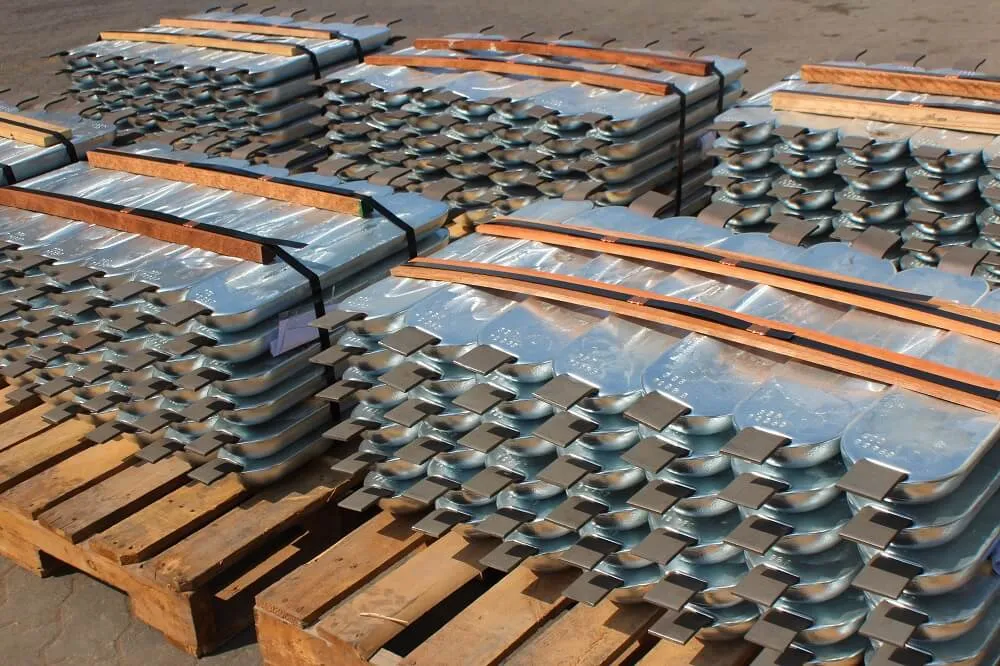
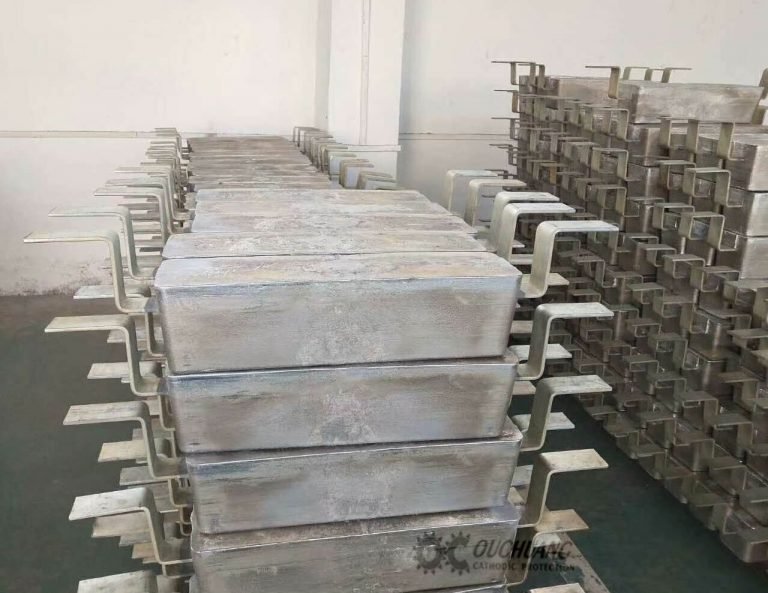
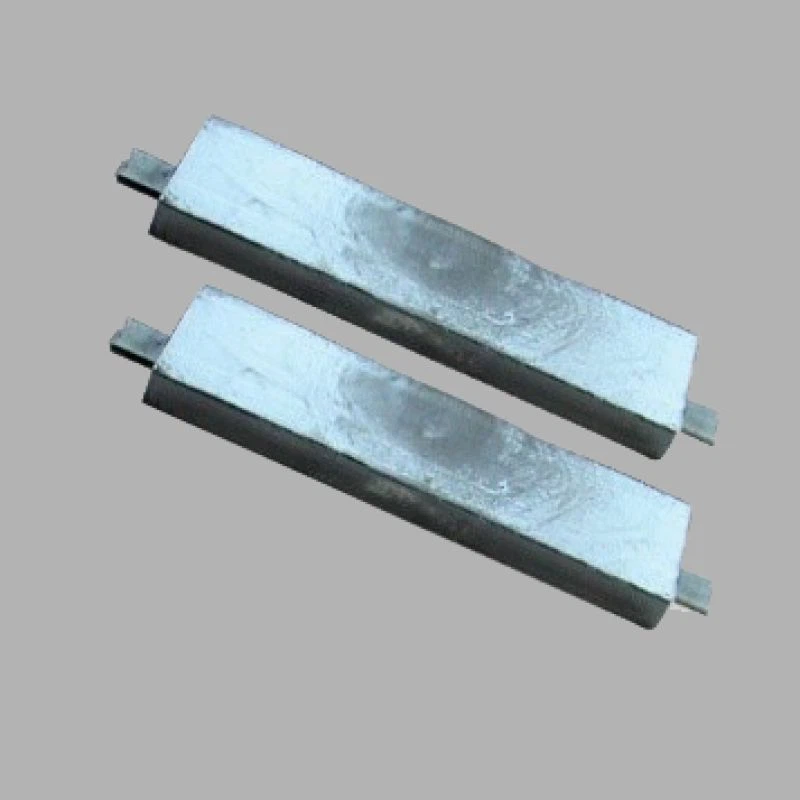
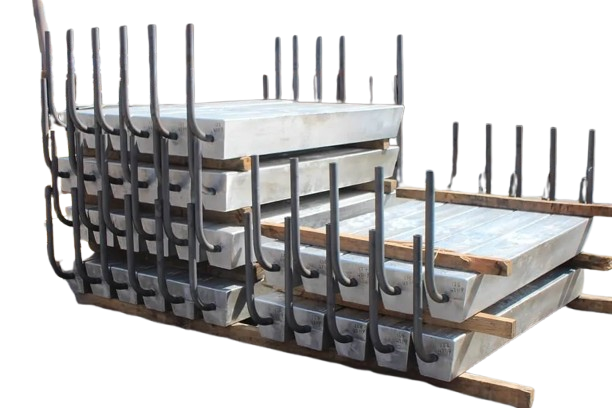
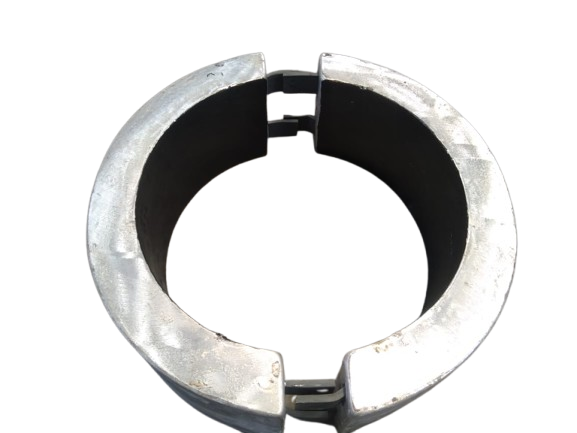
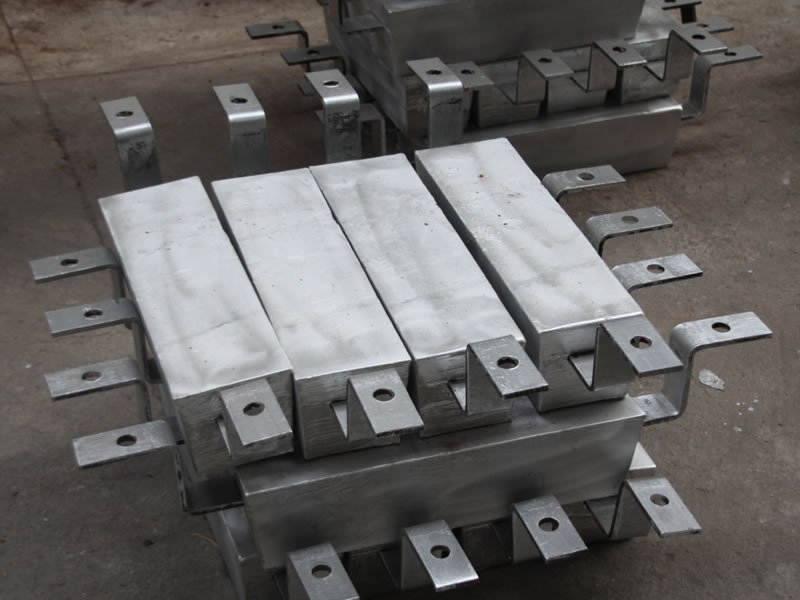
Not every structure suits a conventional jacket, bracelet or hull anode. Limited space, unusual geometry, difficult access or an existing protection system can all call for a different shape.
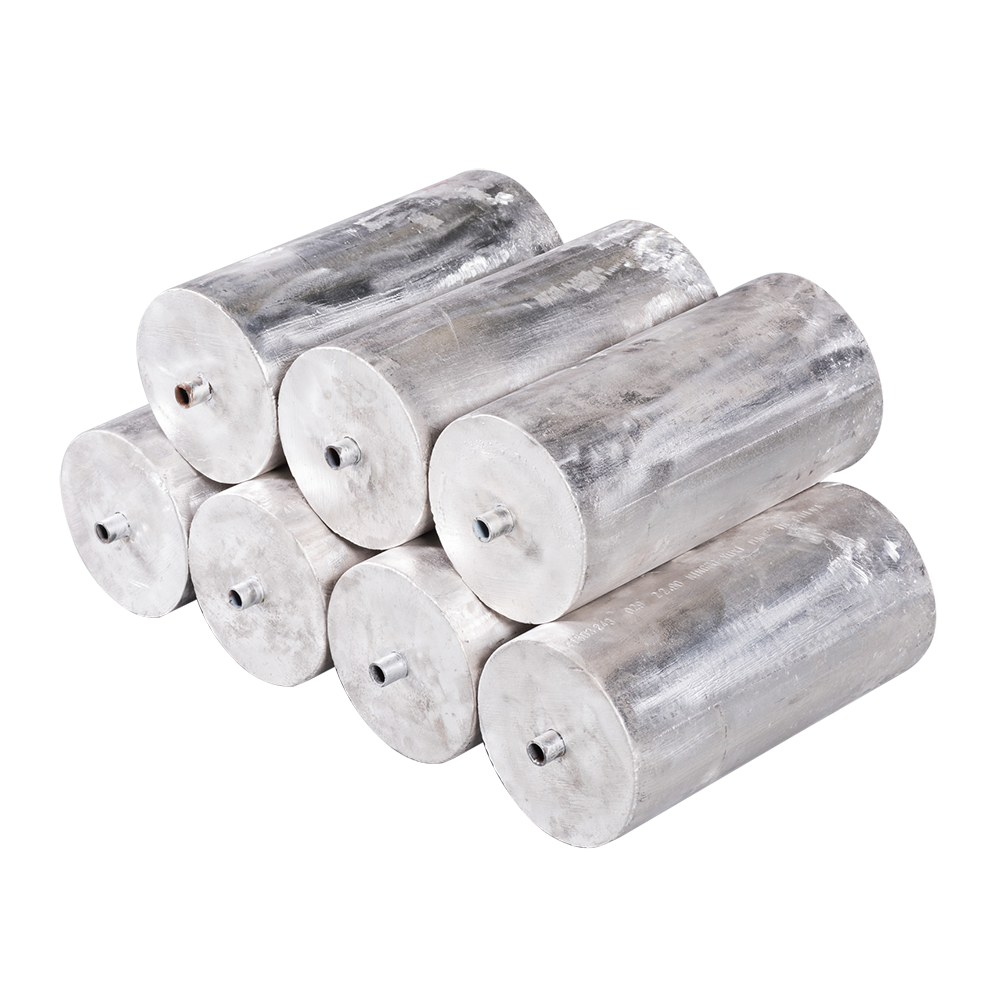
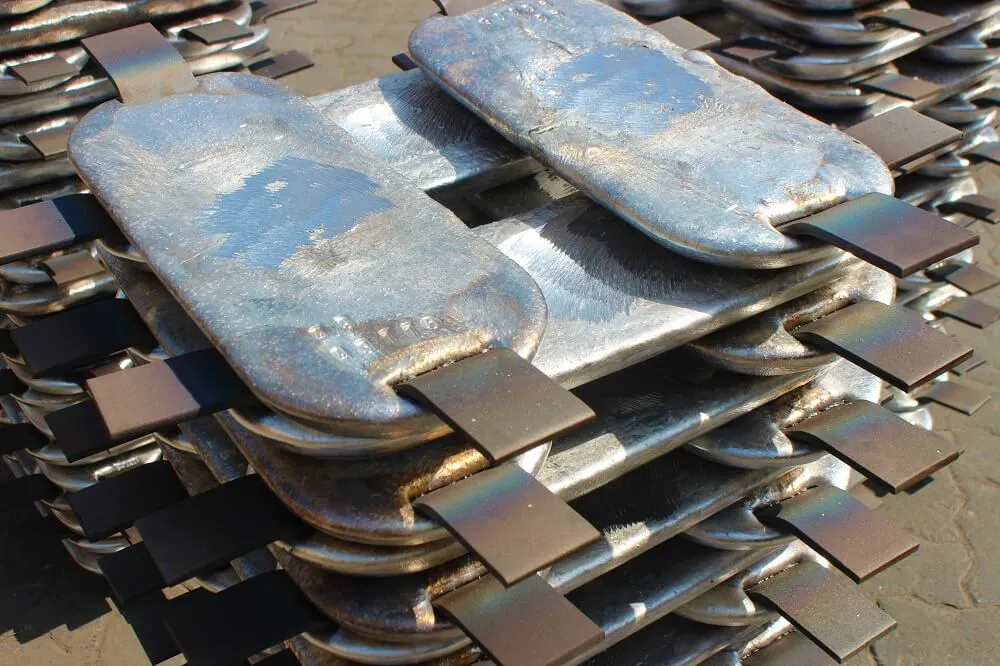
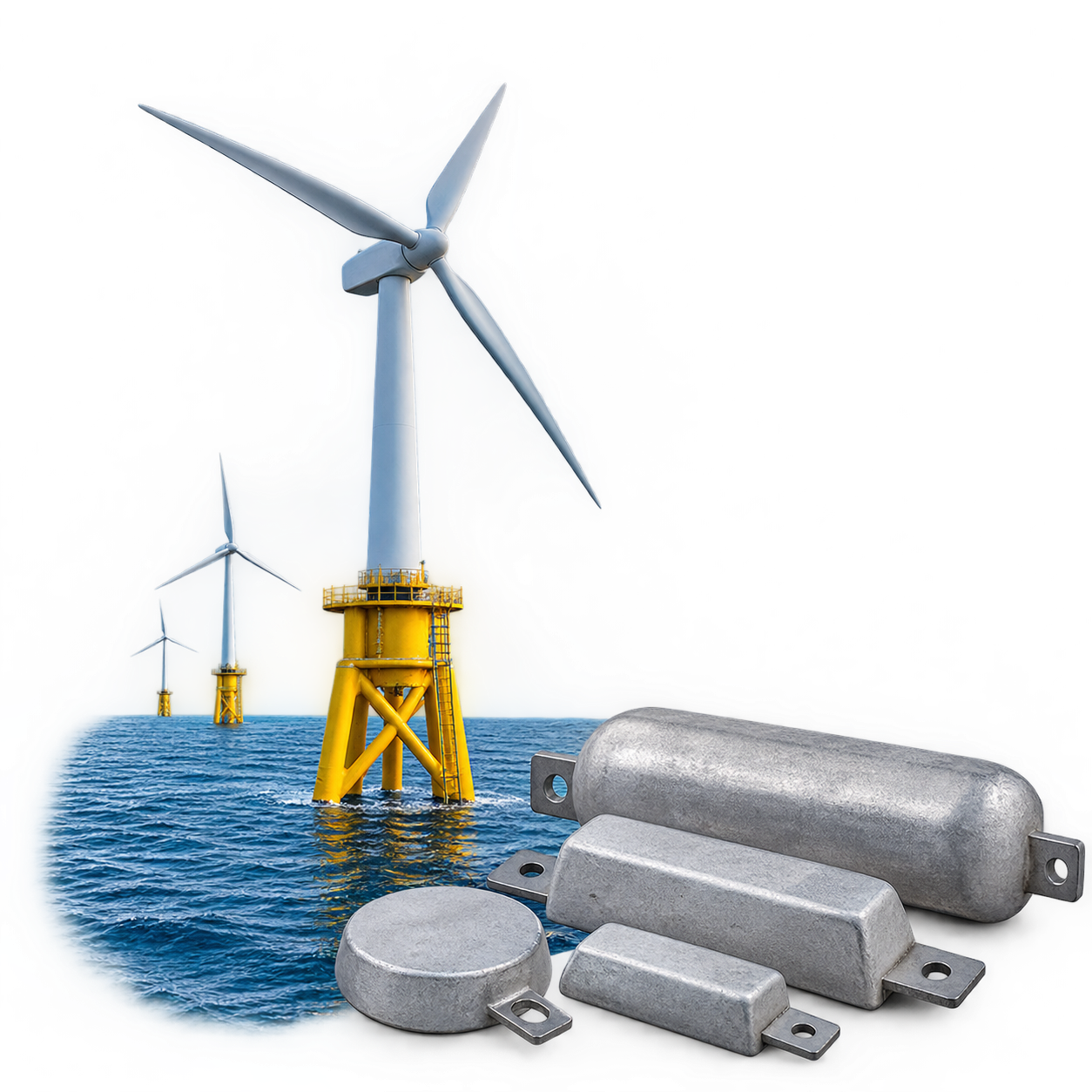
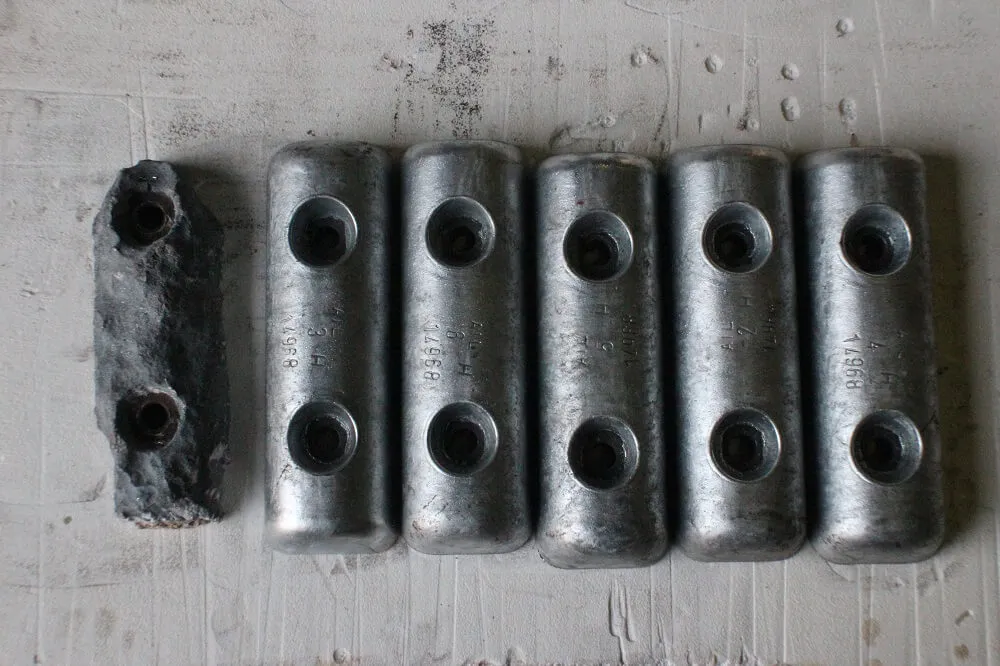
Our miscellaneous application range covers those cases: cylindrical and spherical anodes, retrofit anodes for existing structures, and anodes designed for use with CP monitoring systems.
Each anode is engineered around the installation arrangement, available space, electrical continuity and the CP requirements of the asset, and manufactured to your approved drawing.
Product families
Four families cover most non-standard requirements. Each can be adapted to your drawing.
Cylindrical anodes
A compact, defined geometry for confined spaces and specialised mounting positions.
Spherical anodes
A three-dimensional form for specialised marine structures and particular CP arrangements.
Retrofit anodes
For existing structures that need additional or replacement protection, with mounting designed around what is already installed.
Monitoring-system anodes
Anode arrangements built for systems that include CP monitoring and inspection.
Key features
Custom geometry
Shapes developed for the installation and structure.
Retrofit capability
Additional or replacement protection for existing assets.
Monitoring applications
Anodes for systems with monitoring requirements.
Made to drawing
Dimensions and installation detail to your approved design.
Technical data
Typical supply parameters. Final values are confirmed against your approved drawing and CP design.
- Product
- Miscellaneous / special application sacrificial anode
- Protection method
- Sacrificial cathodic protection
- Typical applications
- Steel structures in seawater and marine environments
- Materials
- Aluminium alloy or zinc alloy, as the approved CP design requires
- Shapes
- Cylindrical, spherical and other custom configurations
- Retrofit configuration
- Available for existing structures, as required
- Monitoring-system anodes
- Application-specific configuration
- Dimensions
- To approved drawing and CP design
- Installation
- As per structure, anode type and approved procedure
- Electrical continuity
- As required by the CP design
- Service environment
- Seawater and marine
- Design life
- As defined by the approved CP design
Materials and standards
Choose the alloy to suit the environment and CP design, then the chemistry to suit your specification.
Aluminium (Al-Zn-In)
The usual first choice offshore: 2,550–2,750 Ah/kg and low weight for long design lives.
- Galvalum III equivalent
- DNV / ISO
- Alanode
Zinc
Compact, self-regulating and well proven — often chosen for hulls and confined spaces.
- MIL-DTL-18001
- ASTM B418 Type II
Available grades
Galvalum III equivalent
A well-established Al-Zn-In chemistry for seawater service, cast to equivalent composition limits.
DNV / ISO
Al-Zn-In composition in line with the limits given in DNV-RP-B401 and ISO 15589-2.
Alanode
Aluminium alloy chemistry supplied to the applicable Alanode composition limits.
US Military spec. (MIL-DTL-18001)
Zinc alloy with controlled aluminium and cadmium additions, widely specified for seawater service.
ASTM B418 Type II
High-purity zinc with very tight iron limits, typically specified for soil and fresh-water service.
Client specification
Your own chemistry, testing and documentation requirements, reviewed and confirmed with you before production starts.
Chemical composition
Composition limits in % by weight for the chemistries we supply.
Aluminium alloys
| Element | Galvalum III (equiv.) | DNV / ISO | Alanode |
|---|---|---|---|
| Zn | 2.0 – 6.5 | 2.5 – 5.75 | 0.50 – 5.00 |
| In | 0.01 – 0.02 | 0.016 – 0.04 | 0.005 – 0.05 |
| Si | 0.08 – 0.20 | 0.12 max. | 0.10 max. |
| Fe | 0.12 max. | 0.09 max. | 0.13 max. |
| Cu | 0.006 max. | 0.003 max. | 0.01 max. |
| Cd | 0.002 max. | — | — |
| Others (each) | 0.02 max. | 0.02 max. | 0.02 max. |
| Others (total) | 0.06 max. | — | — |
| Al | Remainder | Remainder | Remainder |
Zinc alloys
| Element | US Military spec. (MIL-DTL-18001) | ASTM B418 Type II |
|---|---|---|
| Al | 0.10 – 0.50 | 0.005 max. |
| Si | 0.125 max. | — |
| Cd | 0.025 – 0.15 | 0.03 max. |
| Fe | 0.005 max. | 0.0014 max. |
| Pb | 0.006 max. | 0.003 max. |
| Cu | 0.005 max. | 0.002 max. |
| Zn | Remainder | Remainder |
Specification note
Final chemistry should always be confirmed against the applicable material specification and approved project documents before production.
Electrochemical performance
Reference characteristics for our aluminium alloy anodes.
- Test environment
- Seawater at 23 °C
- Reference electrode
- Silver / silver chloride (Ag/AgCl)
- Open-circuit potential
- More negative than −1.10 V vs Ag/AgCl
- Closed-circuit potential
- More negative than −1.05 V vs Ag/AgCl
- Electrochemical capacity
- 2,550 – 2,750 Ah/kg
Performance note
Values apply to aluminium alloy anodes in seawater at 23 °C. In-service performance also depends on alloy chemistry, temperature, current demand and anode geometry, so final design values should always come from the approved cathodic protection (CP) design.
Applications
Marine steel structures
Special anodes for seawater-exposed steel.
Offshore components
Structural components with non-standard geometry.
Retrofit CP systems
Upgrading protection on existing structures.
Anode replacement
Replacements matched to existing arrangements.
Monitoring systems
Anodes for CP monitoring installations.
Project-specific structures
Any steel asset with special requirements.
Manufacturing and quality
A controlled route from your drawing to a documented, ready-to-install anode.
-
01
Engineering review
We review your drawings, CP design and specification, and confirm alloy, net weight, insert design and tolerances before production.
-
02
Insert preparation
Steel inserts are cut, formed and surface-prepared to the approved design for a secure bond with the anode.
-
03
Melting and chemistry control
Each melt is prepared to the specified alloy, and its chemistry is checked against the required limits before casting.
-
04
Casting
Anodes are cast to the required shape and net weight, with the insert soundly embedded.
-
05
Inspection and testing
Visual, dimensional and weight checks, plus chemical analysis and electrochemical testing where the specification requires them.
-
06
Documentation and dispatch
Anodes are identified, packed for safe transport and supplied with the agreed test records.
Inspection and documentation follow the project's inspection and test plan (ITP). Read about our approach to quality.
Frequently asked questions
What are miscellaneous application anodes?
Sacrificial anodes for applications where a conventional jacket, bracelet or hull anode does not meet the installation or structural requirements.
What shapes can you manufacture?
Cylindrical, spherical and other configurations, based on your approved requirements.
Do you supply retrofit anodes?
Yes. We develop retrofit anodes for existing structures that need additional or replacement protection.
Can anodes be designed for monitoring systems?
Yes. We manufacture anode arrangements for applications that include monitoring requirements, in line with the approved project design.
Which materials are available?
Aluminium alloy and zinc alloy, depending on the environment, CP design and specification.
Can you work from our drawings?
Yes. Geometry, dimensions and installation details are produced to your approved drawings and specifications.
Need a special anode configuration?
Share your structure details, dimensions, installation requirements or drawing, and we'll develop a project-specific solution.
Helpful to include
- Structure details and drawings
- Required shape and dimensions
- Alloy and specification
- Installation and mounting arrangement
- CP design or required output
- Quantity and delivery schedule