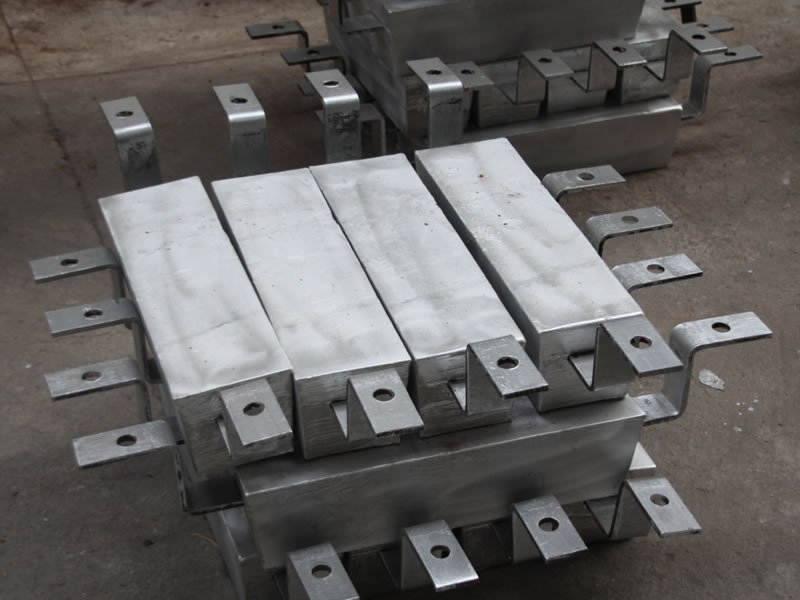
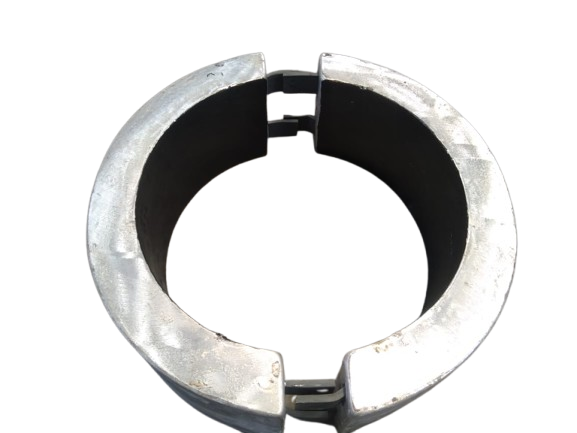
Designed around the pipeline
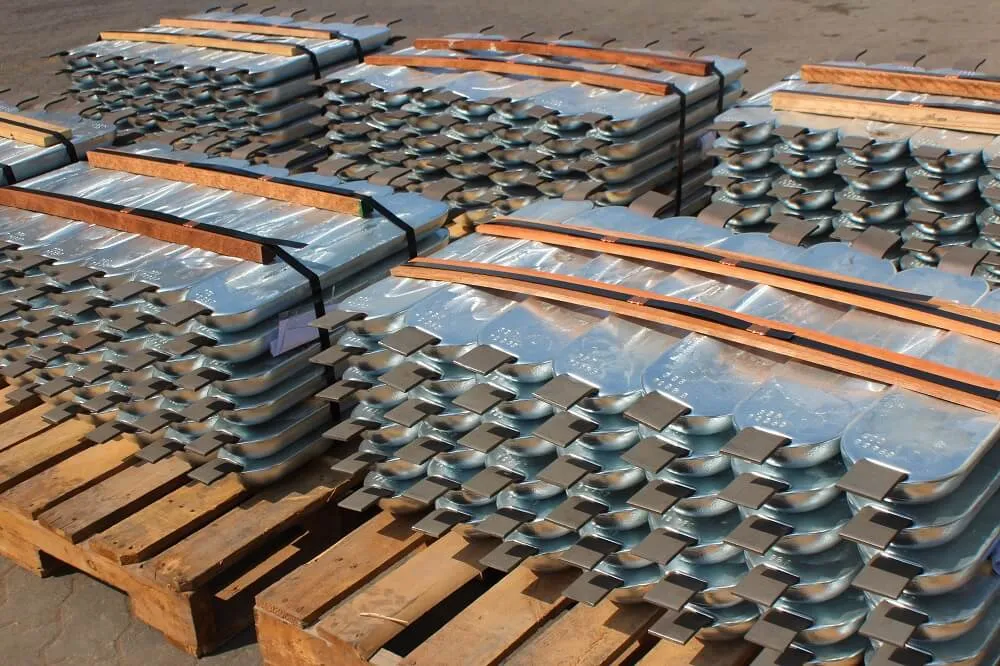
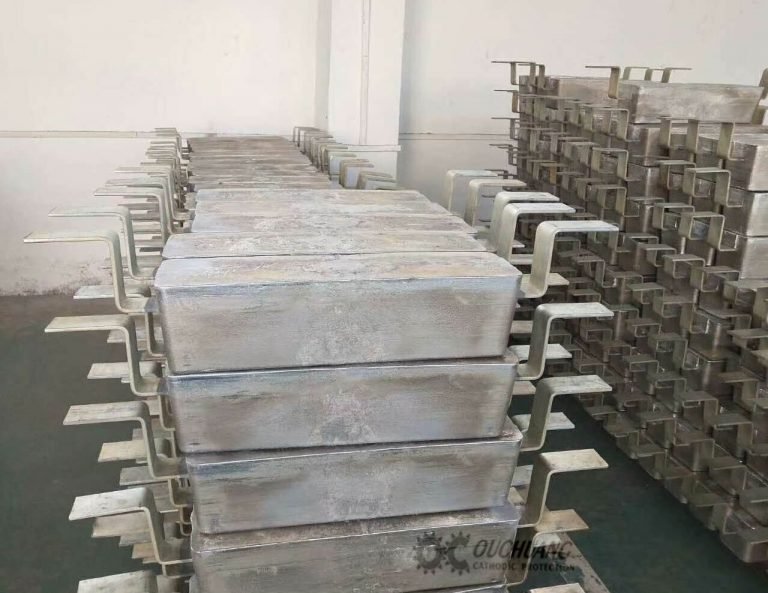
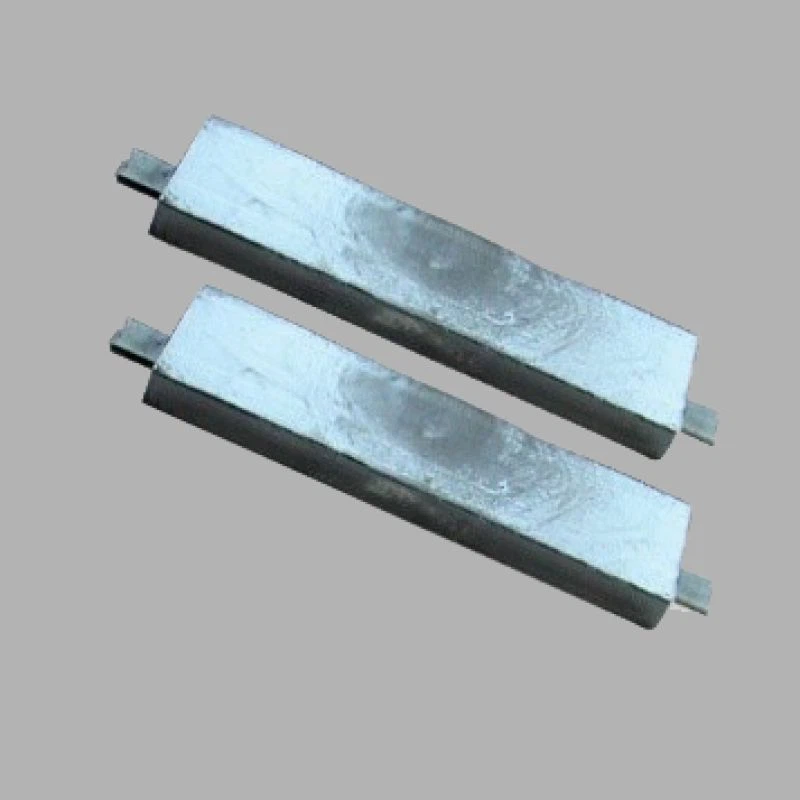
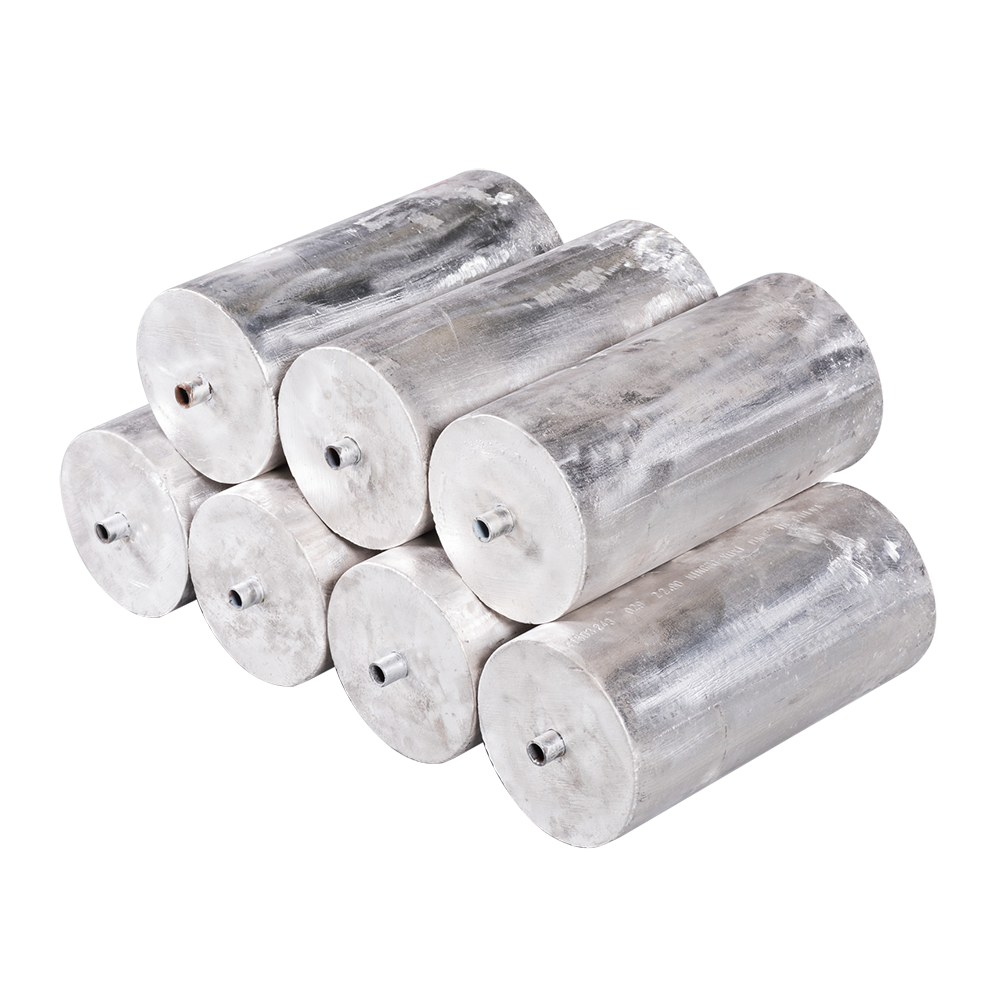
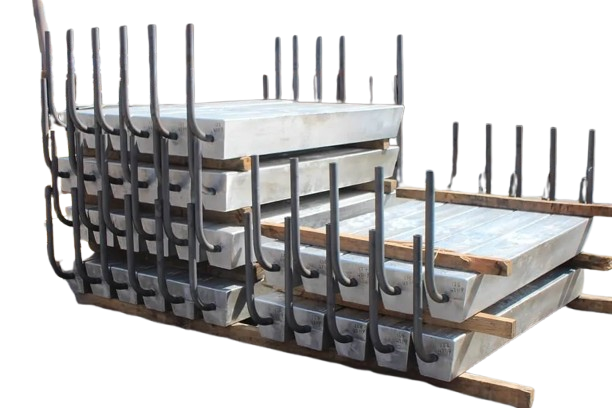
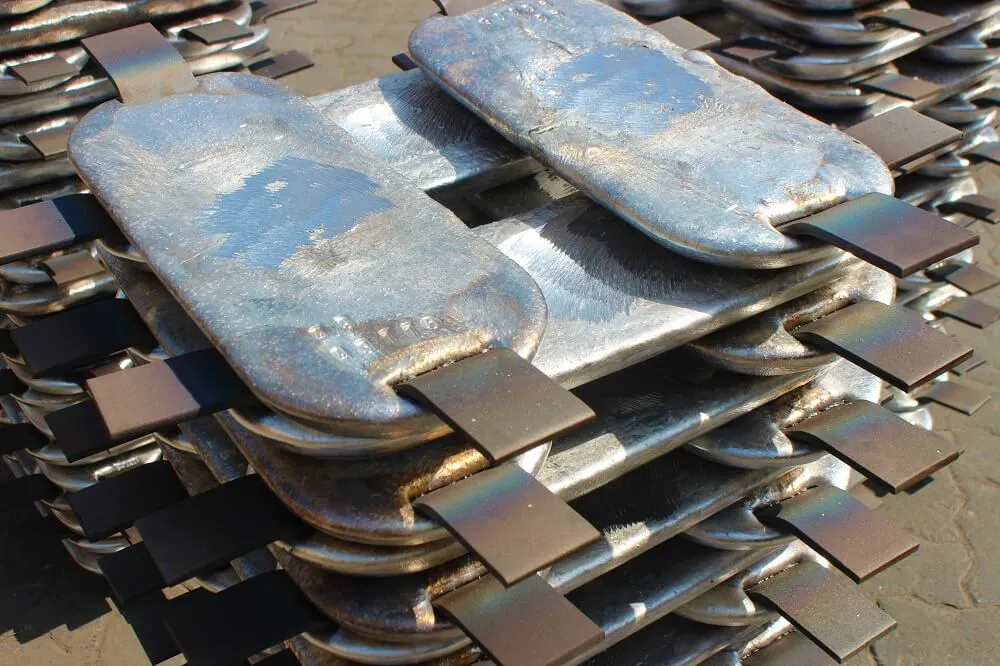
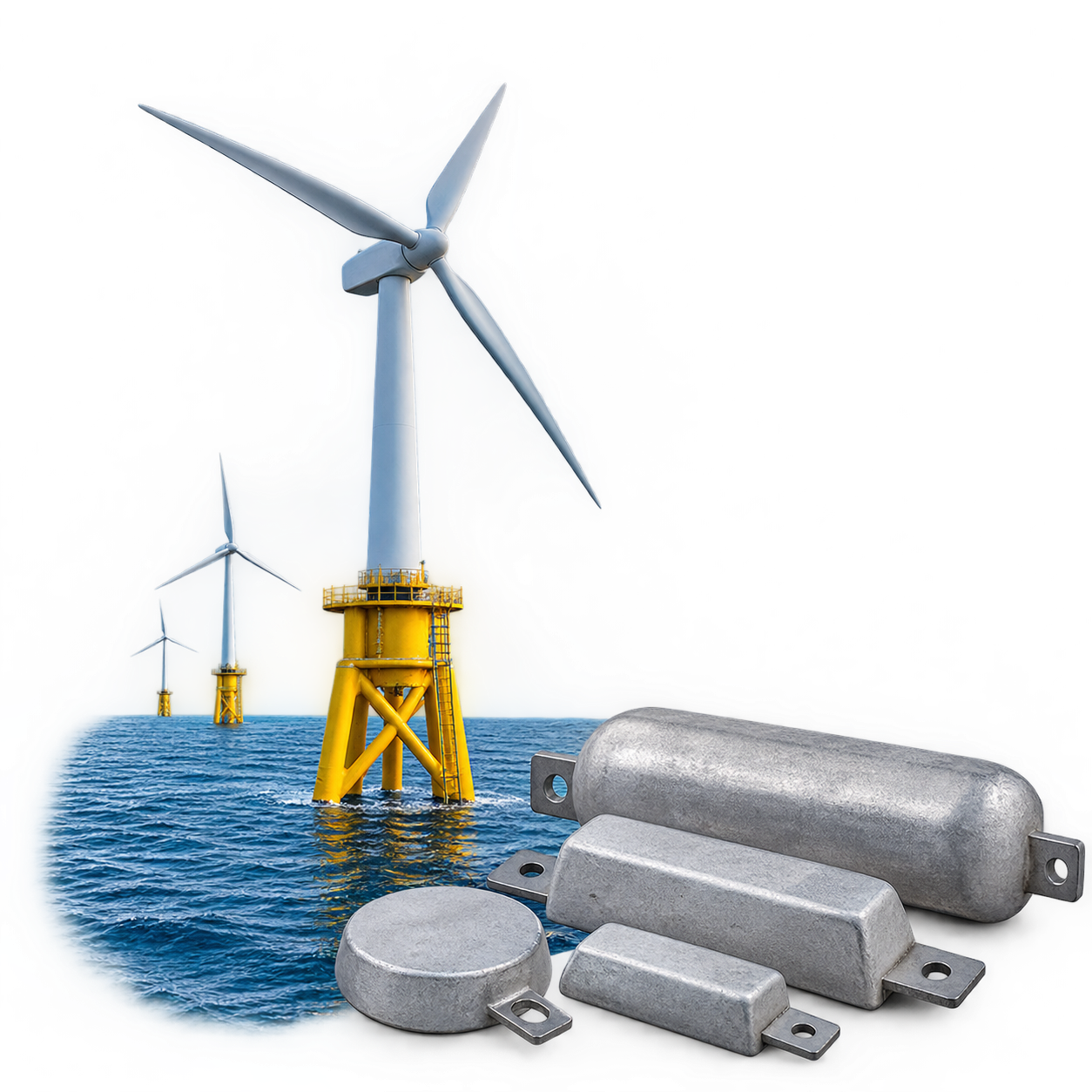
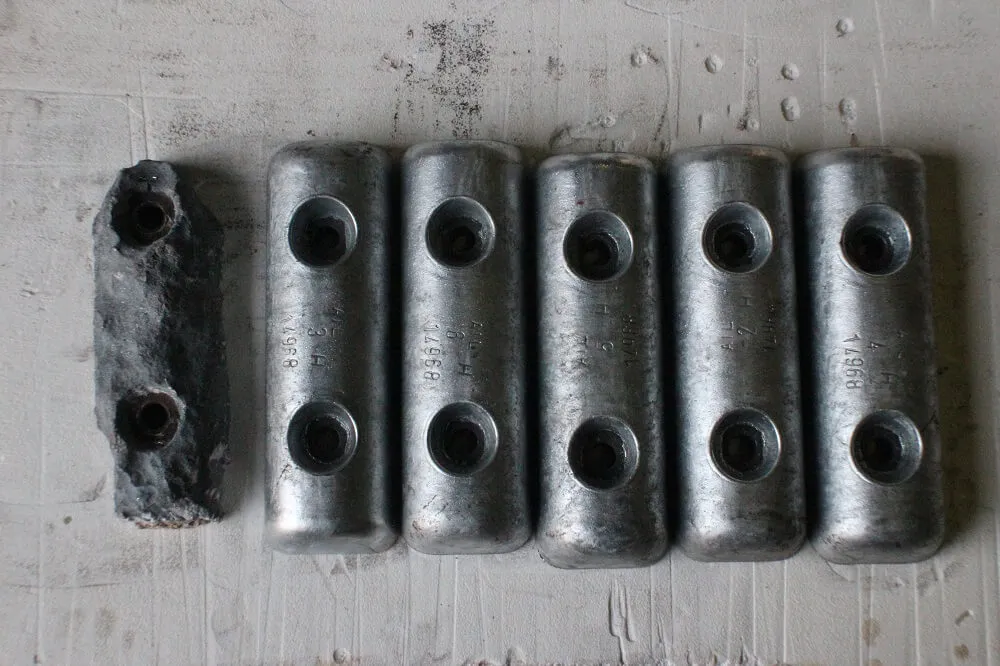
Bracelet anodes clamp around the outside of a pipeline and corrode in place of the pipe steel, supplying protective current along the line. They are the standard sacrificial solution for subsea and submerged pipelines.
We manufacture half-shell and segmented bracelets for pipelines from 2 to 56 inches in diameter. End profile, assembly method and electrical connection are selected to match the pipe coating and how the line will be laid.
Bracelet anode systems are typically designed to recognised references such as DNV-RP-F103 and ISO 15589-2. We manufacture to the design and specification your CP engineer provides, supported by the Reliable Group's background in piping materials and pipeline engineering.
Configuration options
Each bracelet is specified across four choices: construction, end profile, assembly and electrical connection.
Half-shell construction
Two half-shells fitted around the pipe circumference — the most common bracelet arrangement.
Segmented bracelets
Multiple segments for specific diameters, coating thicknesses or installation requirements.
Square ends
For flush fitting with concrete weight-coated pipelines.
Tapered ends
Help the pipeline pass smoothly over stingers and rollers during laying.
Welded or bolted assembly
Anode halves are welded or bolted together to suit the approved installation method.
Cable or continuity bar
Electrical connection to the pipe by cable or steel continuity bar, as the CP design requires.
Key features
Half-shell construction
Fabricated to fit precisely around the pipe circumference.
Segmented option
For specific diameters and installation requirements.
2" to 56" pipelines
Built to the full range of project diameters.
Custom end design
Square or tapered ends to suit coating and lay method.
Technical data
Typical supply parameters. Final values are confirmed against your approved drawing and CP design.
- Product
- Pipeline bracelet anode
- Protection method
- Sacrificial cathodic protection
- Typical applications
- Submerged pipelines and pipeline systems
- Pipeline diameter range
- 2 inch to 56 inch
- Configuration
- Half-shell or segmented bracelet
- Materials
- Aluminium alloy or zinc alloy
- End profile
- Square end or tapered end
- Assembly
- Welded or bolted anode halves
- Pipeline connection
- Cable or steel continuity bar
- Installation
- Pipeline-specific
- Dimensions
- To pipeline diameter and approved project drawing
- Design life
- As defined by the CP design
- Service environment
- Marine, seawater and submerged
Materials and standards
Choose the alloy to suit the environment and CP design, then the chemistry to suit your specification.
Aluminium (Al-Zn-In)
The usual first choice offshore: 2,550–2,750 Ah/kg and low weight for long design lives.
- Galvalum III equivalent
- DNV / ISO
- Alanode
Zinc
Compact, self-regulating and well proven — often chosen for hulls and confined spaces.
- MIL-DTL-18001
- ASTM B418 Type II
Available grades
Galvalum III equivalent
A well-established Al-Zn-In chemistry for seawater service, cast to equivalent composition limits.
DNV / ISO
Al-Zn-In composition in line with the limits given in DNV-RP-B401 and ISO 15589-2.
Alanode
Aluminium alloy chemistry supplied to the applicable Alanode composition limits.
US Military spec. (MIL-DTL-18001)
Zinc alloy with controlled aluminium and cadmium additions, widely specified for seawater service.
ASTM B418 Type II
High-purity zinc with very tight iron limits, typically specified for soil and fresh-water service.
Client specification
Your own chemistry, testing and documentation requirements, reviewed and confirmed with you before production starts.
Chemical composition
Composition limits in % by weight for the chemistries we supply.
Aluminium alloys
| Element | Galvalum III (equiv.) | DNV / ISO | Alanode |
|---|---|---|---|
| Zn | 2.0 – 6.5 | 2.5 – 5.75 | 0.50 – 5.00 |
| In | 0.01 – 0.02 | 0.016 – 0.04 | 0.005 – 0.05 |
| Si | 0.08 – 0.20 | 0.12 max. | 0.10 max. |
| Fe | 0.12 max. | 0.09 max. | 0.13 max. |
| Cu | 0.006 max. | 0.003 max. | 0.01 max. |
| Cd | 0.002 max. | — | — |
| Others (each) | 0.02 max. | 0.02 max. | 0.02 max. |
| Others (total) | 0.06 max. | — | — |
| Al | Remainder | Remainder | Remainder |
Zinc alloys
| Element | US Military spec. (MIL-DTL-18001) | ASTM B418 Type II |
|---|---|---|
| Al | 0.10 – 0.50 | 0.005 max. |
| Si | 0.125 max. | — |
| Cd | 0.025 – 0.15 | 0.03 max. |
| Fe | 0.005 max. | 0.0014 max. |
| Pb | 0.006 max. | 0.003 max. |
| Cu | 0.005 max. | 0.002 max. |
| Zn | Remainder | Remainder |
Specification note
Final chemistry should always be confirmed against the applicable material specification and approved project documents before production.
Electrochemical performance
Reference characteristics for our aluminium alloy anodes.
- Test environment
- Seawater at 23 °C
- Reference electrode
- Silver / silver chloride (Ag/AgCl)
- Open-circuit potential
- More negative than −1.10 V vs Ag/AgCl
- Closed-circuit potential
- More negative than −1.05 V vs Ag/AgCl
- Electrochemical capacity
- 2,550 – 2,750 Ah/kg
Performance note
Values apply to aluminium alloy anodes in seawater at 23 °C. In-service performance also depends on alloy chemistry, temperature, current demand and anode geometry, so final design values should always come from the approved cathodic protection (CP) design.
Applications
Subsea pipelines
Sacrificial protection for submerged pipeline systems.
Offshore pipelines
Lines operating in demanding offshore environments.
Pipe-lay operations
Tapered ends for smooth passage over stingers.
Concrete-coated pipe
Square-ended bracelets for flush fitting with weight coating.
Pipeline rehabilitation
Additional or replacement bracelets for existing lines.
Custom pipeline systems
Geometry, assembly and connection built around your line.
Manufacturing and quality
A controlled route from your drawing to a documented, ready-to-install anode.
-
01
Engineering review
We review your drawings, CP design and specification, and confirm alloy, net weight, insert design and tolerances before production.
-
02
Insert preparation
Steel inserts are cut, formed and surface-prepared to the approved design for a secure bond with the anode.
-
03
Melting and chemistry control
Each melt is prepared to the specified alloy, and its chemistry is checked against the required limits before casting.
-
04
Casting
Anodes are cast to the required shape and net weight, with the insert soundly embedded.
-
05
Inspection and testing
Visual, dimensional and weight checks, plus chemical analysis and electrochemical testing where the specification requires them.
-
06
Documentation and dispatch
Anodes are identified, packed for safe transport and supplied with the agreed test records.
Inspection and documentation follow the project's inspection and test plan (ITP). Read about our approach to quality.
Frequently asked questions
What are pipeline bracelet anodes?
Sacrificial anodes that fit around the outside of a pipeline, providing cathodic protection to the pipe steel in subsea and submerged service.
What pipe sizes can you supply?
Pipelines from 2 inch to 56 inch in diameter, to your project requirements.
Half-shell or segmented — what's the difference?
Half-shell bracelets are two halves fitted around the pipe. Segmented bracelets use multiple pieces, which can suit particular diameters or installation requirements.
Why choose square or tapered ends?
Square ends sit flush with concrete weight coating. Tapered ends help the pipeline pass smoothly over stingers during laying.
How are the halves joined?
By welding or bolting, depending on the approved installation arrangement.
How is the anode connected to the pipeline?
Electrical continuity is made with cables or steel continuity bars, as specified in the CP and installation design.
Which materials are available?
Aluminium alloy and zinc alloy, selected to suit the operating environment and CP design.
Need bracelet anodes for your pipeline?
Share your pipe diameter, coating details and anode requirements — or simply send the project drawing — and we'll come back with a proposal.
Helpful to include
- Pipe outside diameter and wall thickness
- Coating type and thickness (incl. concrete)
- Alloy and specification
- Anode net weight or CP design
- End profile and assembly method
- Quantity and delivery schedule